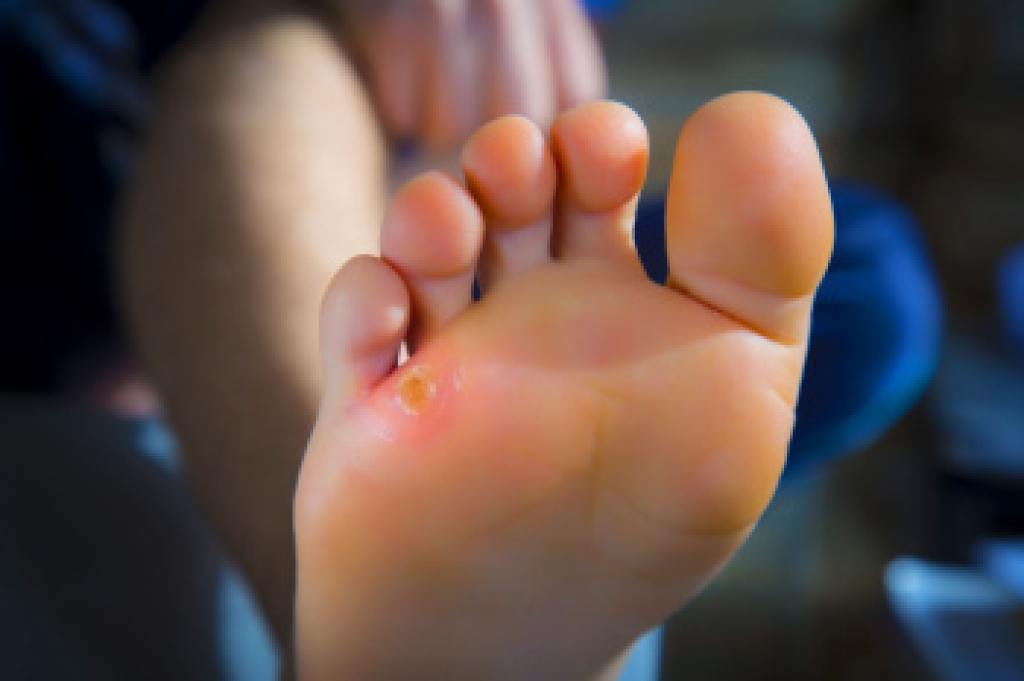
Causes and Symptoms of Corns

Foot corns develop as a result of repeated pressure or friction on the skin. They often appear as small, thickened areas of hardened skin, usually on the toes or areas of the foot that bear excessive pressure. In podiatry, corns are considered a protective response by the body, where skin builds up to shield underlying tissues from irritation. Although they may seem minor at first, corns can become painful and interfere with daily walking, if not properly managed. Symptoms of foot corns typically include a raised, hardened bump with a dense, hardened center. The surrounding skin may feel tender or sensitive, especially when pressure is applied through walking or wearing shoes. Some people experience a sharp or burning sensation in the affected area. Corns often develop gradually, and many people first notice discomfort when wearing tight or narrow footwear. The skin may become increasingly thick and uncomfortable, making it difficult to find relief without professional care.

The primary cause of foot corns is repeated friction or pressure. This is commonly linked to ill-fitting shoes that squeeze the toes or create uneven pressure points on the foot. Wearing high-heeled shoes, tight toe boxes, and shoes without proper support can all contribute to corn formation. Toe deformities such as hammertoes or bunions can also increase friction between toes or against footwear. In addition, walking or standing for long periods of time on hard surfaces can increase the likelihood of developing corns due to constant pressure on specific areas of the foot.


Risk factors for foot corns include improper footwear, having foot deformities, and participating in activities that place repetitive stress on the feet. Individuals with diabetes or circulation issues may be at a higher risk for complications, as skin changes in the feet should be monitored closely. Without treatment, corns may continue to grow and become more painful, potentially leading to changes in gait or posture as a result of trying to avoid discomfort.


A podiatrist can diagnose foot corns through a simple physical examination and determine the underlying cause of pressure or friction. Treatment may involve removing thickened skin, recommending proper footwear, and addressing biomechanical issues that contribute to corn formation. Custom orthotics or padding may also be used to reduce pressure and prevent recurrence. If you have symptoms of a corn, it is suggested that you consult a podiatrist for effective relief solutions and prevention tips.

If you have any concerns regarding your feet and ankles, contact one of our podiatrists of Eastern Carolina Foot & Ankle Specialists. Our doctors will treat your foot and ankle needs.

Corns: What Are They? and How Do You Get Rid of Them?
Corns can be described as areas of the skin that have thickened to the point of becoming painful or irritating. They are often layers and layers of the skin that have become dry and rough, and are normally smaller than calluses.

Ways to Prevent Corns
There are many ways to get rid of painful corns such as wearing:

  • Well-fitting socks
  • Comfortable shoes that are not tight around your foot
  • Shoes that offer support

Treating Corns
Treatment of corns involves removing the dead skin that has built up in the specific area of the foot. Consult with Our doctors to determine the best treatment option for your case of corns.

If you have any questions, please feel free to contact our office located in Greenville, NC . We offer the newest diagnostic and treatment technologies for all your foot care needs.

Read more about Corns: What Are They, and How Do You Get Rid of Them

Nails That Change Color and Texture

Toenail fungus, also called onychomycosis, is a common infection that can affect one or several toenails. The condition often begins with a small white or yellow spot under the tip of the nail and may gradually spread deeper into the nail. As the infection progresses, the nail may become thickened, brittle, crumbly, or distorted in shape. Some nails appear yellow, brown, or cloudy, and there may be an unpleasant odor. Toenail fungus can develop from walking barefoot in damp public areas, wearing tight shoes, sweating excessively, or having small cracks in the nail or skin that allow fungi to enter. People with diabetes or circulation problems may be at greater risk. A podiatrist can diagnose the infection by examining the nail and may take a small sample for testing. Treatment options include topical medications, oral antifungal medicine, and debridement to reduce thickness and discomfort. If you have toenail fungus, it is suggested that you schedule an appointment with a podiatrist for appropriate treatment solutions.

For more information about treatment, contact one of our podiatrists of Eastern Carolina Foot & Ankle Specialists. Our doctors can provide the care you need to keep you pain-free and on your feet.

Toenail Fungus Treatment

Toenail fungus is a condition that affects many people and can be especially hard to get rid of. Fortunately, there are several methods to go about treating and avoiding it.

Antifungals & Deterrence

Oral antifungal medicine has been shown to be effective in many cases. It is important to consult with a podiatrist to determine the proper regiment for you, or potentially explore other options.

Applying foot powder on the feet and shoes helps keep the feet free of moisture and sweat.

Sandals or open toed shoes – Wearing these will allow air movement and help keep feet dry. They also expose your feet to light, which fungus cannot tolerate. Socks with moisture wicking material also help as well.

If you have any questions please contact our office located in Greenville, NC . We offer the newest diagnostic and treatment technologies for all your foot and ankle needs.

Read more about How to Treat Your Toenail Fungus

Causes and Treatment of Athlete’s Foot

Athlete’s foot is a common fungal infection that affects the skin on the feet, especially between the toes. Fungus grows well in warm, moist places, which is why athlete’s foot is common in people who wear tight shoes or sweaty socks for long periods. Walking barefoot in public showers, locker rooms, and pool areas also increases the risk of getting this infection. Athlete’s foot spreads easily from one person to another through contaminated floors, towels, and shoes. Signs of athlete’s foot include itching, burning, peeling skin, and redness. Some people notice cracked skin that becomes painful while walking. Others develop dry, flaky skin or small blisters that can sting and itch.

The infection can spread to the soles of the feet and toenails when it is not treated promptly. A podiatrist can diagnose athlete’s foot by examining the skin and checking the affected areas carefully. Treatment often includes prescription antifungal creams, powders, or oral medicine for more serious infections. Patients are usually advised to keep their feet clean and dry each day. Wearing breathable shoes and changing socks regularly can also help stop the fungus from growing. A podiatrist may remove damaged skin safely and recommend footwear that reduces moisture around the feet.

People with diabetes or poor circulation should seek treatment quickly because fungal infections can lead to skin sores and other foot problems. Ignoring athlete’s foot can allow the infection to worsen and spread to other parts of the foot. Early treatment can reduce discomfort and help the skin heal faster. If you have signs of an athlete's foot infection, it is suggested that you make an appointment with a podiatrist for an exam and treatment options.

Athlete’s Foot

Athlete’s foot is often an uncomfortable condition to experience. Thankfully, podiatrists specialize in treating athlete’s foot and offer the best treatment options. If you have any questions about athlete’s foot, consult with one of our podiatrists from Eastern Carolina Foot & Ankle Specialists. Our doctors will assess your condition and provide you with quality treatment.

What Is Athlete’s Foot?

Tinea pedis, more commonly known as athlete’s foot, is a non-serious and common fungal infection of the foot. Athlete’s foot is contagious and can be contracted by touching someone who has it or infected surfaces. The most common places contaminated by it are public showers, locker rooms, and swimming pools. Once contracted, it grows on feet that are left inside moist, dark, and warm shoes and socks.

Prevention

The most effective ways to prevent athlete’s foot include:

  • Thoroughly washing and drying feet
  • Avoid going barefoot in locker rooms and public showers
  • Using shower shoes in public showers
  • Wearing socks that allow the feet to breathe
  • Changing socks and shoes frequently if you sweat a lot

Symptoms

Athlete’s foot initially occurs as a rash between the toes. However, if left undiagnosed, it can spread to the sides and bottom of the feet, toenails, and if touched by hand, the hands themselves. Symptoms include:

  • Redness
  • Burning
  • Itching
  • Scaly and peeling skin

Diagnosis and Treatment

Diagnosis is quick and easy. Skin samples will be taken and either viewed under a microscope or sent to a lab for testing. Sometimes, a podiatrist can diagnose it based on simply looking at it. Once confirmed, treatment options include oral and topical antifungal medications.

If you have any questions, please feel free to contact our office located in Greenville, NC . We offer the newest diagnostic and treatment technologies for all your foot care needs.

Read more about Athlete’s Foot

Gout Pain Can Be Managed

Gout is a painful, inflammatory form of arthritis. Those affected will typically feel an intense stiffness in the joints of their feet, particularly in the big toe. Schedule a visit to learn about how gout can be managed and treated.

Types and Causes of Flat Feet

Flat feet occur when the arches on the inside of the feet are low or missing, causing the entire sole to touch the ground while standing. Flexible flat feet occur when arches appear while sitting, but flatten while standing. This is most common among children. Flat feet may develop in adults because of injuries, arthritis, or weakened tendons that support the arch. Tightness in the Achilles tendon, which connects the calf muscle to the heel, can affect the arch by placing extra strain on the foot. Flat feet can cause heel pain, ankle pain, tired legs, and discomfort while walking or standing for a long time. A podiatrist can examine the feet and check how a person walks in order to recommend treatment options. These options include custom orthotics, supportive footwear, or stretching exercises. If you have foot pain from having flat feet, it is suggested that you schedule an appointment with a podiatrist for effective relief and management tips.

Flatfoot is a condition many people suffer from. If you have flat feet, contact one of our podiatrists from Eastern Carolina Foot & Ankle Specialists. Our doctors will treat your foot and ankle needs.

What Are Flat Feet?

Flatfoot is a condition in which the arch of the foot is depressed and the sole of the foot is almost completely in contact with the ground. About 20-30% of the population generally has flat feet because their arches never formed during growth.

Conditions & Problems:

Having flat feet makes it difficult to run or walk because of the stress placed on the ankles.

Alignment – The general alignment of your legs can be disrupted, because the ankles move inward which can cause major discomfort.

Knees – If you have complications with your knees, flat feet can be a contributor to arthritis in that area.  

Symptoms

  • Pain around the heel or arch area
  • Trouble standing on the tip toe
  • Swelling around the inside of the ankle
  • Flat look to one or both feet
  • Having your shoes feel uneven when worn

Treatment

If you are experiencing pain and stress on the foot you may weaken the posterior tibial tendon, which runs around the inside of the ankle. 

If you have any questions, please feel free to contact our office located in Greenville, NC . We offer the newest diagnostic and treatment technologies for all your foot care needs.

Read more about Flat Feet
scroll to top