What Causes Poor Foot Circulation

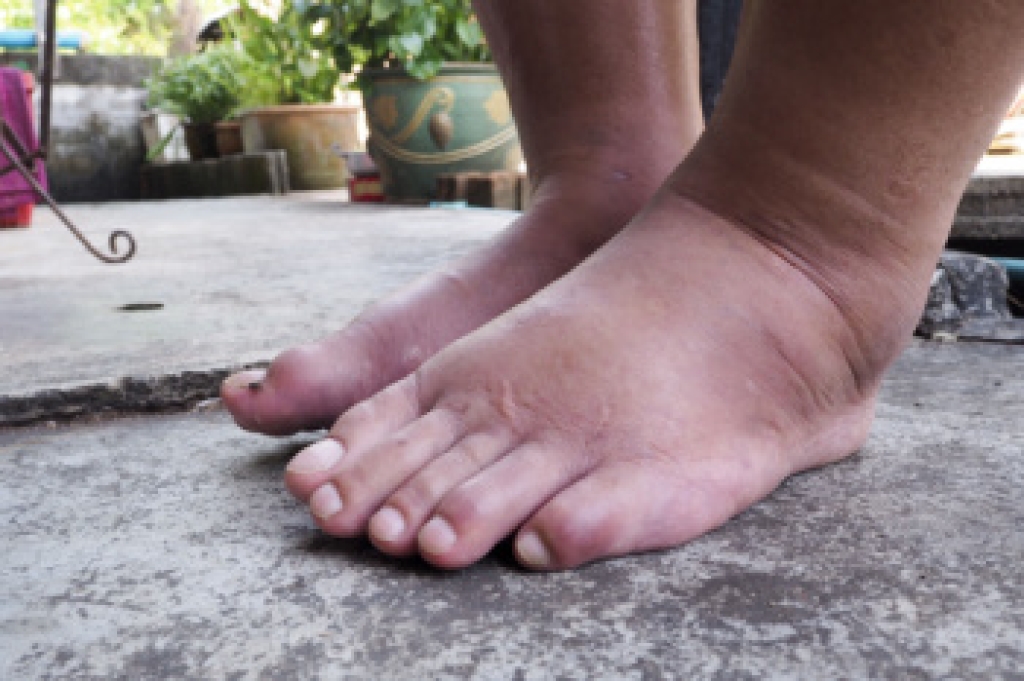
Poor foot circulation occurs when blood flow to the feet is reduced, limiting the delivery of oxygen and essential nutrients to surrounding tissues. This condition is commonly linked to peripheral vascular disease, a disorder that affects the blood vessels and restricts normal circulation. When blood flow is impaired, the feet may not function optimally and become more susceptible to injury, infection, and delayed healing. Recognizing early warning signs is crucial for maintaining long-term foot health and preventing serious complications.

Common symptoms of poor circulation include persistent coldness in the feet, numbness, and a tingling or “pins and needles” sensation. Some individuals may also experience intermittent pain or cramping, particularly during walking or physical activity. Reduced oxygen supply to the muscles can lead to fatigue, making movement more difficult over time. In addition, the skin on the feet may appear pale, bluish, or discolored, and even minor wounds may take longer than usual to heal. Without proper attention, these symptoms can gradually worsen and impact daily activities.

Several causes and risk factors contribute to poor foot circulation. Peripheral vascular disease is a leading cause and is often associated with narrowed or blocked arteries. Diabetes can further complicate circulation by damaging both blood vessels and nerves. Infections may also impair blood flow due to inflammation in affected tissues. Other contributing factors include smoking, high blood pressure, high cholesterol, and a sedentary lifestyle. Identifying and addressing these risks is essential for effective prevention and management.

Maintaining healthy circulation is vital for mobility, comfort, and overall foot function. Early intervention, combined with lifestyle changes and proper medical care, can significantly improve blood flow and tissue health. If you have symptoms of poor foot circulation, it is suggested that you consult a podiatrist to explore effective relief and management solutions.

While poor circulation itself isn’t a condition; it is a symptom of another underlying health condition you may have. If you have any concerns with poor circulation in your feet contact one of our podiatrists of Eastern Carolina Foot & Ankle Specialists. Our doctors will treat your foot and ankle needs.

Poor Circulation in the Feet

Peripheral artery disease (PAD) can potentially lead to poor circulation in the lower extremities. PAD is a condition that causes the blood vessels and arteries to narrow. In a linked condition called atherosclerosis, the arteries stiffen up due to a buildup of plaque in the arteries and blood vessels. These two conditions can cause a decrease in the amount of blood that flows to your extremities, therefore resulting in pain.

Symptoms

Some of the most common symptoms of poor circulation are:

  • Numbness
  • Tingling
  • Throbbing or stinging pain in limbs
  • Pain
  • Muscle Cramps

Treatment for poor circulation often depends on the underlying condition that causes it. Methods for treatment may include insulin for diabetes, special exercise programs, surgery for varicose veins, or compression socks for swollen legs.

As always, see a podiatrist as he or she will assist in finding a regimen that suits you. A podiatrist can also prescribe you any needed medication. 

If you have any questions, please feel free to contact our office located in Greenville, NC . We offer the newest diagnostic and treatment technologies for all your foot care needs.

Read more about Causes, Symptoms, and Treatment of Poor Blood Circulation in the Feet

Causes and Everyday Triggers of Heel Pain

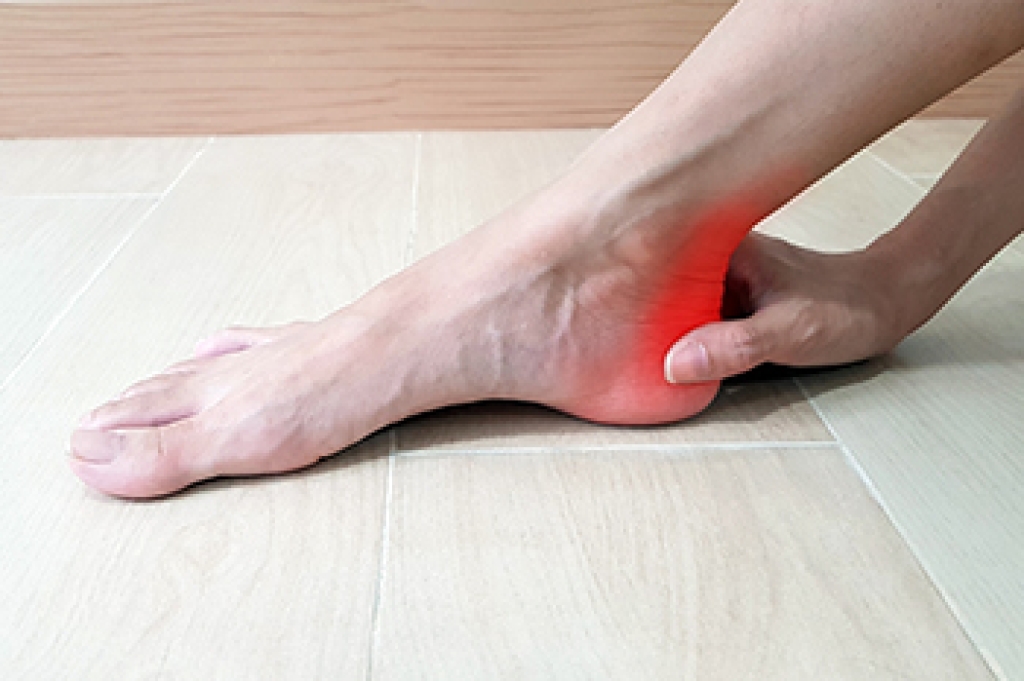
Heel pain is a common foot condition that affects people of all ages and activity levels. It refers to discomfort or inflammation at the bottom or back of the heel, often interfering with walking, standing, and daily function. One of the most recognized causes is plantar fasciitis, but heel pain may also result from nerve-related conditions such as neuroma, overuse injuries, or structural imbalances. This condition can develop gradually or appear suddenly, depending on the underlying cause. Early recognition is important because untreated heel pain may worsen and lead to chronic mobility issues.

Symptoms of heel pain vary, but often include sharp or stabbing pain with the first steps in the morning, aching after long periods of standing, or tenderness when pressure is applied to the heel. Some individuals notice swelling or warmth, while others feel a burning sensation if a nerve is involved. Pain may improve with movement but return after rest. These patterns are key indicators that help identify the source of discomfort and guide proper treatment.


Several risk factors increase the likelihood of developing heel pain. Obesity places added stress on the heel with each step, which can strain the plantar fascia and surrounding structures. Wearing bad-fitting shoes, especially those lacking arch support or cushioning, contributes to poor foot alignment and repetitive stress. Heel injuries from sports or accidents can also lead to long-term pain if not properly treated. Physically active individuals, particularly runners and those in high-impact sports, are at greater risk due to repetitive strain. Middle-aged adults are more prone to it as natural tissue elasticity declines. Pregnancy is another contributing factor due to weight gain and hormonal changes that affect ligament flexibility.


Understanding the causes of heel pain allows individuals to take proactive steps, such as selecting supportive footwear, managing weight, and modifying activity levels. Early intervention can prevent complications and restore comfort. If you have heel pain, it is strongly suggested that you consult a podiatrist for an accurate diagnosis and appropriate treatment.

Many people suffer from bouts of heel pain. For more information, contact one of our podiatrists of Eastern Carolina Foot & Ankle Specialists. Our doctors can provide the care you need to keep you pain-free and on your feet.

Causes of Heel Pain

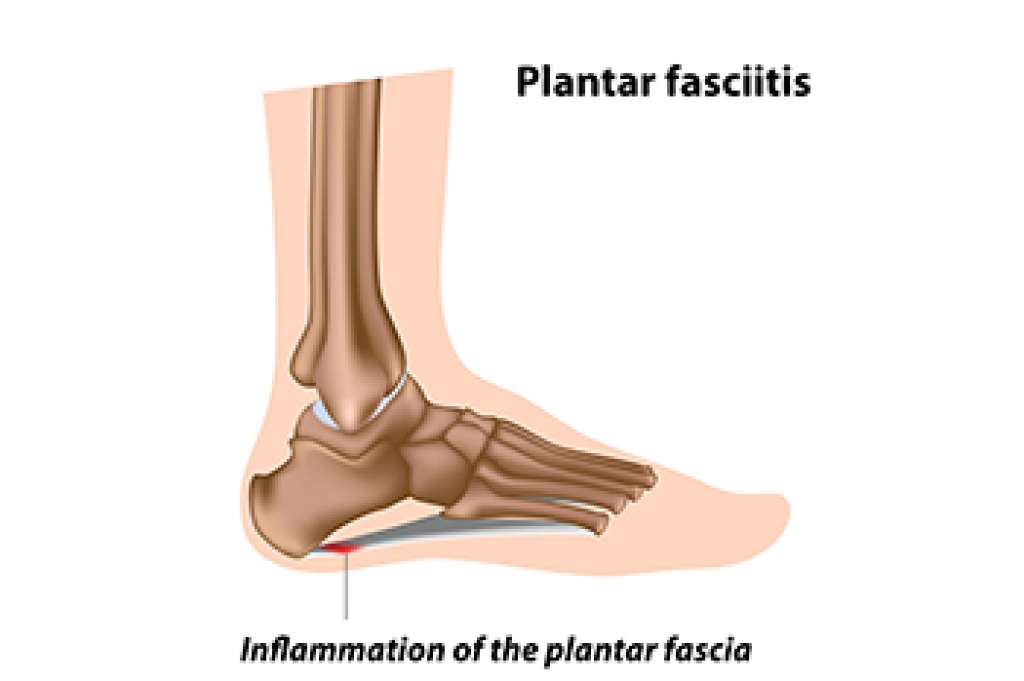
Heel pain is often associated with plantar fasciitis. The plantar fascia is a band of tissues that extends along the bottom of the foot. A rip or tear in this ligament can cause inflammation of the tissue.

Achilles tendonitis is another cause of heel pain. Inflammation of the Achilles tendon will cause pain from fractures and muscle tearing. Lack of flexibility is also another symptom.

Heel spurs are another cause of pain. When the tissues of the plantar fascia undergo a great deal of stress, it can lead to ligament separation from the heel bone, causing heel spurs.

Why Might Heel Pain Occur?

  • Wearing ill-fitting shoes                
  • Wearing non-supportive shoes
  • Weight change           
  • Excessive running

Treatments

Heel pain should be treated as soon as possible for immediate results. Keeping your feet in a stress-free environment will help. If you suffer from Achilles tendonitis or plantar fasciitis, applying ice will reduce the swelling. Stretching before an exercise like running will help the muscles. Using all these tips will help make heel pain a condition of the past.

If you have any questions, please feel free to contact our office located in Greenville, NC . We offer the newest diagnostic and treatment technologies for all your foot care needs.

Read more about Heel Pain

Why Ingrown Toenails Become Painful

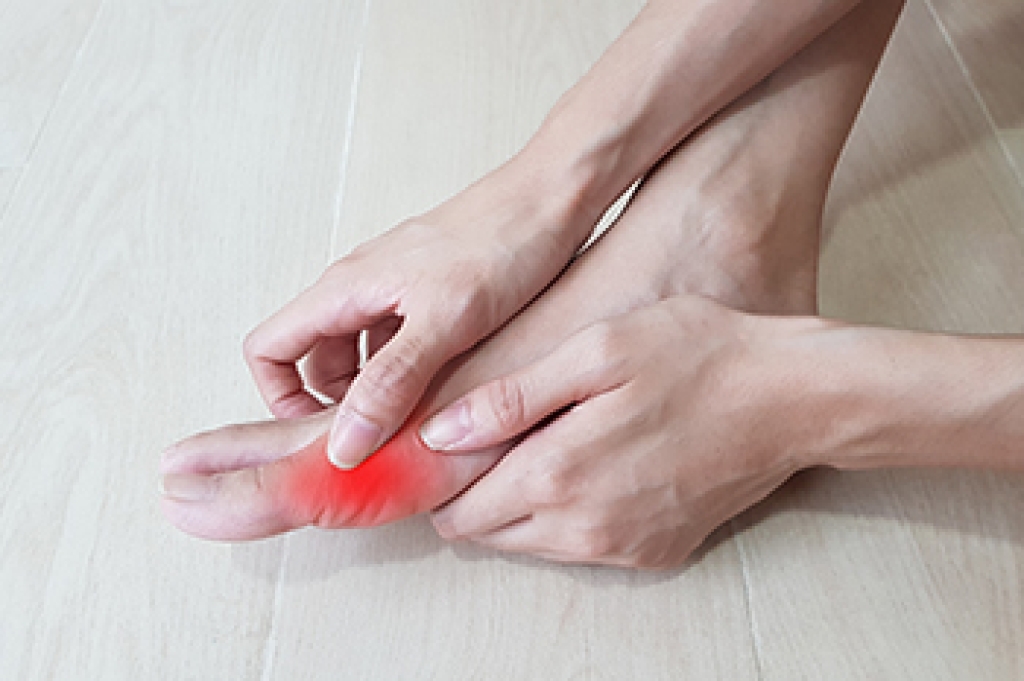
Ingrown toenails develop when the edge of a toenail grows into the surrounding skin instead of over it. The problem usually affects the big toe and can become painful as the nail presses deeper into the skin. Redness, swelling, and tenderness frequently appear along the side of the nail. As the condition worsens, drainage or signs of infection can develop. Several factors increase the risk of an ingrown toenail, including trimming the nails too short, toe injuries, and wearing shoes that squeeze the toes together. Some people are also born with nails that naturally curve more than usual, making ingrown toenails more likely.

A podiatrist can determine how deeply the nail has grown into the skin and whether an infection is present. During the examination, the podiatrist checks the nail, the surrounding skin, and the overall health of the foot. Patients with diabetes, poor circulation, or reduced feeling in their feet should seek prompt care because even a small nail problem can become more serious. When an infection is present, the podiatrist develops a treatment plan to control the infection while addressing the ingrown nail. This approach helps relieve pain and supports healthy healing.

Treatment depends on the severity of the ingrown toenail. A podiatrist can carefully remove the part of the nail that is growing into the skin. For patients with repeated ingrown toenails, a simple office procedure can remove part of the nail and treat the nail root to reduce the chance of the problem returning. In severe cases, more of the nail is removed to restore comfort and protect the toe. A podiatrist can also recommend shoes that provide proper support and enough room for the toes to reduce pressure on the affected nail. If you have symptoms of an ingrown toenail, it is suggested that you schedule an appointment with a podiatrist for diagnosis and appropriate treatment, which may include minor surgery.

Ingrown toenails may initially present themselves as a minor discomfort, but they may progress into an infection in the skin without proper treatment. For more information about ingrown toenails, contact one of our podiatrists of Eastern Carolina Foot & Ankle Specialists. Our doctors can provide the care you need to keep you pain-free and on your feet.

Ingrown Toenails

Ingrown toenails are caused when the corner or side of a toenail grows into the soft flesh surrounding it. They often result in redness, swelling, pain, and in some cases, infection. This condition typically affects the big toe and may recur if it is not treated properly.

Causes

  • Improper toenail trimming
  • Genetics
  • Improper shoe fitting
  • Injury from pedicures or nail picking
  • Abnormal gait
  • Poor hygiene

You are more likely to develop an ingrown toenail if you are obese, have diabetes, arthritis, or have any fungal infection in your nails. Additionally, people who have foot or toe deformities are at a higher risk of developing an ingrown toenail.

Symptoms

Some symptoms of ingrown toenails are redness, swelling, and pain. In rare cases, there may be a yellowish drainage coming from the nail.

Treatment

Ignoring an ingrown toenail can have serious complications. Infections of the nail border can progress to a deeper soft-tissue infection, which can then turn into a bone infection. You should always speak with your podiatrist if you suspect you have an ingrown toenail, especially if you have diabetes or poor circulation.

If you have any questions, please feel free to contact our office located in Greenville, NC . We offer the newest diagnostic and treatment technologies for all your foot care needs.

Read more about Ingrown Toenails

Causes and Symptoms of Corns

Foot corns develop as a result of repeated pressure or friction on the skin. They often appear as small, thickened areas of hardened skin, usually on the toes or areas of the foot that bear excessive pressure. In podiatry, corns are considered a protective response by the body, where skin builds up to shield underlying tissues from irritation. Although they may seem minor at first, corns can become painful and interfere with daily walking, if not properly managed. Symptoms of foot corns typically include a raised, hardened bump with a dense, hardened center. The surrounding skin may feel tender or sensitive, especially when pressure is applied through walking or wearing shoes. Some people experience a sharp or burning sensation in the affected area. Corns often develop gradually, and many people first notice discomfort when wearing tight or narrow footwear. The skin may become increasingly thick and uncomfortable, making it difficult to find relief without professional care.

The primary cause of foot corns is repeated friction or pressure. This is commonly linked to ill-fitting shoes that squeeze the toes or create uneven pressure points on the foot. Wearing high-heeled shoes, tight toe boxes, and shoes without proper support can all contribute to corn formation. Toe deformities such as hammertoes or bunions can also increase friction between toes or against footwear. In addition, walking or standing for long periods of time on hard surfaces can increase the likelihood of developing corns due to constant pressure on specific areas of the foot.


Risk factors for foot corns include improper footwear, having foot deformities, and participating in activities that place repetitive stress on the feet. Individuals with diabetes or circulation issues may be at a higher risk for complications, as skin changes in the feet should be monitored closely. Without treatment, corns may continue to grow and become more painful, potentially leading to changes in gait or posture as a result of trying to avoid discomfort.


A podiatrist can diagnose foot corns through a simple physical examination and determine the underlying cause of pressure or friction. Treatment may involve removing thickened skin, recommending proper footwear, and addressing biomechanical issues that contribute to corn formation. Custom orthotics or padding may also be used to reduce pressure and prevent recurrence. If you have symptoms of a corn, it is suggested that you consult a podiatrist for effective relief solutions and prevention tips.

If you have any concerns regarding your feet and ankles, contact one of our podiatrists of Eastern Carolina Foot & Ankle Specialists. Our doctors will treat your foot and ankle needs.

Corns: What Are They? and How Do You Get Rid of Them?
Corns can be described as areas of the skin that have thickened to the point of becoming painful or irritating. They are often layers and layers of the skin that have become dry and rough, and are normally smaller than calluses.

Ways to Prevent Corns
There are many ways to get rid of painful corns such as wearing:

  • Well-fitting socks
  • Comfortable shoes that are not tight around your foot
  • Shoes that offer support

Treating Corns
Treatment of corns involves removing the dead skin that has built up in the specific area of the foot. Consult with Our doctors to determine the best treatment option for your case of corns.

If you have any questions, please feel free to contact our office located in Greenville, NC . We offer the newest diagnostic and treatment technologies for all your foot care needs.

Read more about Corns: What Are They, and How Do You Get Rid of Them
scroll to top