Common Foot Injuries and Workplace Protection

Working in construction can place constant stress on your feet. Hours spent standing, walking across uneven surfaces, and lifting materials can increase the chance of foot injuries. Construction foot injuries may range from minor skin irritation to serious wounds or fractures. Nail punctures can occur when sharp debris enters a shoe. Even without one major accident, repeated pressure can gradually create foot problems that affect comfort and movement.

Some construction workers experience pain from conditions that develop over time. Bunions can cause soreness around the big toe and may become irritated when work boots are too narrow. Corns form when repeated pressure creates thickened skin in areas that rub against footwear. Blisters are another common concern, particularly when damp shoes cause repeated friction. Risk factors include wearing poorly fitting boots, long work shifts, and inadequate foot support. A previous foot injury can also make the feet more vulnerable during demanding work.

The right work boot can make a meaningful difference. Look for footwear with impact and compression resistance to help protect the feet from heavy materials. Puncture-resistant midsoles provide another layer of defense against nails and other sharp objects. Breathable materials can help reduce moisture inside the boot and may lower friction that contributes to blisters. Additionally, a wide enough toe box gives the toes room to move without unnecessary pressure. Workers should also inspect boots regularly and replace them when the sole or protective features become worn.

If pain or an injury develops, a podiatrist can evaluate the foot and identify the underlying problem. Treatment may involve cleaning and protecting wounds, reducing pressure, or recommending appropriate footwear. Imaging tests may be used when a fracture is suspected. A podiatrist can also discuss workplace strategies that help protect the feet during recovery. If construction work is a source of ongoing foot pain, it is suggested that you see a podiatrist for an accurate diagnosis and appropriate treatment.

While working on the feet, it is important to take the proper care of them. For more information about working on your feet, contact one of our podiatrists from Eastern Carolina Foot & Ankle Specialists. Our doctors will treat your foot and ankle needs.

Working on Your Feet

Standing on your feet for long periods of time can cause stress and pain in your feet. Your whole body may experience change in terms of posture, back pain, bunions, callouses and or plantar warts. There are ways to avoid these conditions with proper foot care, smart choices and correct posture.

Positive Changes

Negative heeled shoe – Choosing this shoe type places the heel slightly lower than the ball of the foot. These are great for overall foot health. Find shoes that fit you correctly.

Go barefoot – Our feet were not designed to be enclosed for all hours of the day. Try to periodically expose your feet to air.

Eliminate Pain

Foot Exercises – Performing simple exercises, incorporating yoga and doing stretches are beneficial. This will allow increased blood flow to the area and muscles of the foot.

Achilles tendon – Stretching the foot out flat on the floor will relax the calf muscles and tendon. These exercises can be performed almost anywhere. Make sure you add these exercises to your daily regimen. 

With a little bit of this information and knowing more about foot health, you will notice changes. Foot stretches and proper footwear will help with pain and prevent further issues.

If you have any questions please contact our office located in Greenville, NC . We offer the newest diagnostic and treatment technologies for all your foot and ankle needs.
Read more about Working on Your Feet

Understanding Achilles Tendinitis

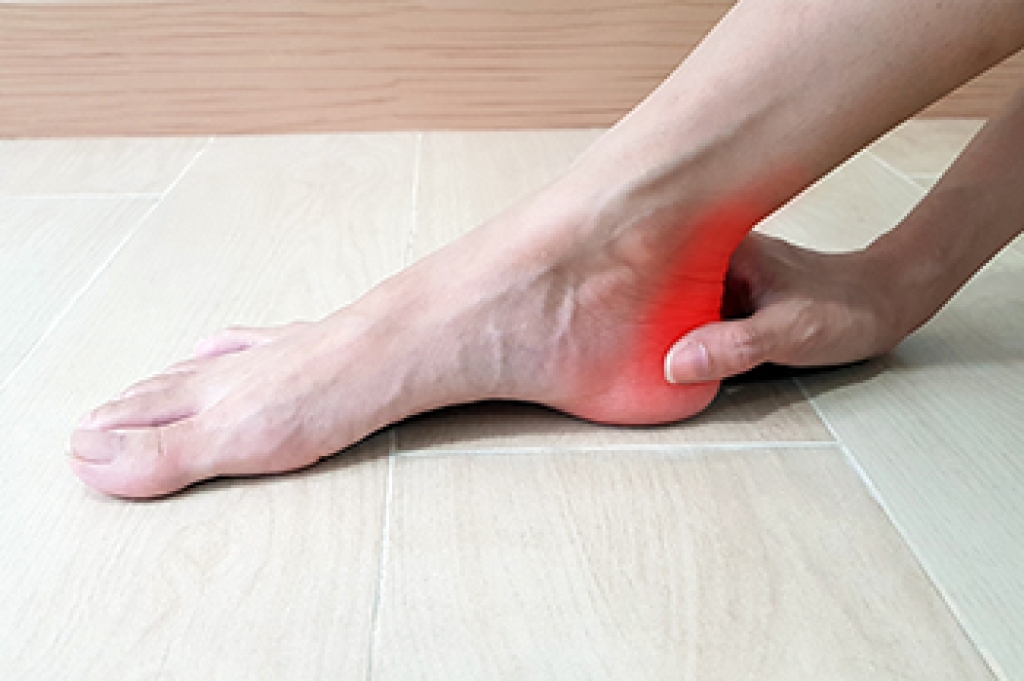
Achilles tendinitis develops when the large tendon that connects the calf muscles to the heel becomes irritated and inflamed. This tendon plays an important role when walking, running, and jumping, so repeated stress can lead to pain. Achilles tendinitis usually develops from overuse rather than one sudden injury. Increasing exercise intensity too quickly can place extra strain on the tendon. Changes in footwear and tight calf muscles may also contribute. The condition is especially common among runners, although it can affect people with different activity levels. Pain may occur within the tendon or where it attaches to the heel bone.


Symptoms of Achilles tendinitis can gradually interfere with comfortable movement. Pain and stiffness may develop along the tendon, especially in the morning. Discomfort at the back of the heel often becomes worse with physical activity. The tendon may also become swollen or thickened over time. There are two main types of Achilles tendinitis. Noninsertional tendinitis affects the middle portion of the tendon and is more common among younger, active people. Insertional tendinitis affects the lower portion where the Achilles tendon connects to the heel. Bone spurs can sometimes develop with this form of the condition.


A podiatrist can examine persistent Achilles tendon pain and determine the location and severity of the problem. The evaluation may include checking for swelling, tenderness, and limited ankle movement. X-rays can reveal bone spurs or calcium deposits, while other imaging may be useful in certain cases. Professional treatment depends on the type and severity of Achilles tendinitis. Options can include physical therapy, supportive footwear, or orthotic devices. More severe cases that do not improve with nonsurgical care may require surgery. Because Achilles tendon problems can take months to improve, receiving an accurate diagnosis can help guide appropriate care. If pain or stiffness continues along the Achilles tendon or heel, it is suggested that you consult a podiatrist for an evaluation and appropriate treatment options.

Achilles tendon injuries need immediate attention to avoid future complications. If you have any concerns, contact one of our podiatrists of Eastern Carolina Foot & Ankle Specialists. Our doctors can provide the care you need to keep you pain-free and on your feet.

What Is the Achilles Tendon?

The Achilles tendon is a tendon that connects the lower leg muscles and calf to the heel of the foot. It is the strongest tendon in the human body and is essential for making movement possible. Because this tendon is such an integral part of the body, any injuries to it can create immense difficulties and should immediately be presented to a doctor.

What Are the Symptoms of an Achilles Tendon Injury?

There are various types of injuries that can affect the Achilles tendon. The two most common injuries are Achilles tendinitis and ruptures of the tendon.

Achilles Tendinitis Symptoms

  • Inflammation
  • Dull to severe pain
  • Increased blood flow to the tendon
  • Thickening of the tendon

Rupture Symptoms

  • Extreme pain and swelling in the foot
  • Total immobility

Treatment and Prevention

Achilles tendon injuries are diagnosed by a thorough physical evaluation, which can include an MRI. Treatment involves rest, physical therapy, and in some cases, surgery. However, various preventative measures can be taken to avoid these injuries, such as:

  • Thorough stretching of the tendon before and after exercise
  • Strengthening exercises like calf raises, squats, leg curls, leg extensions, leg raises, lunges, and leg presses

If you have any questions please feel free to contact our office located in Greenville, NC . We offer the newest diagnostic tools and technology to treat your foot and ankle needs.

Read more about The Causes, Types, and Treatments of Achilles Tendon Injuries

Heel Pain May Indicate Plantar Fasciitis

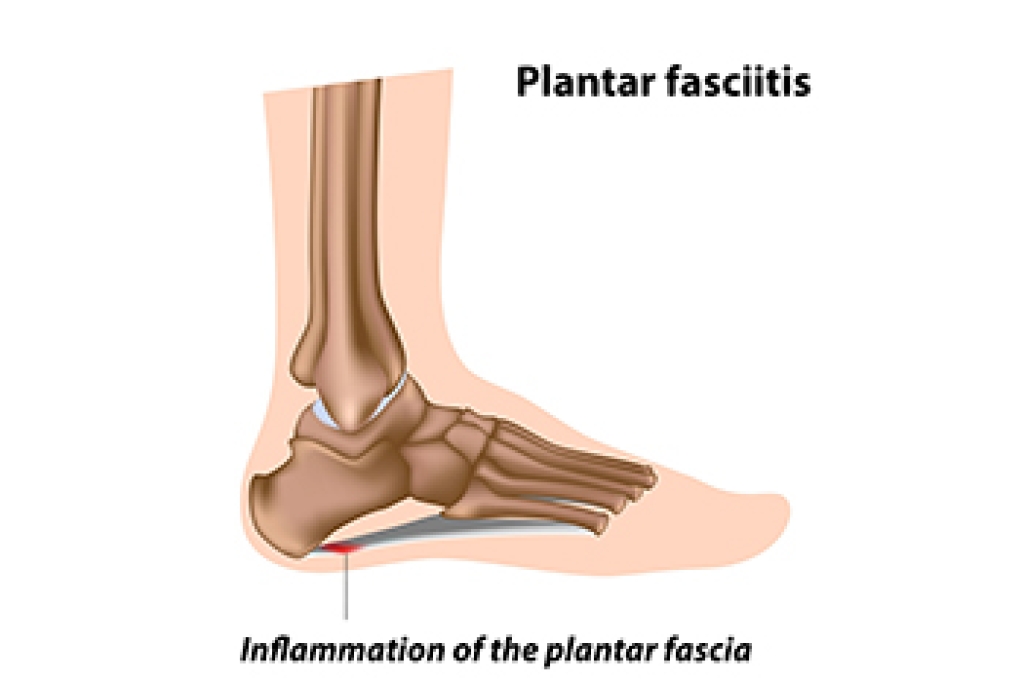
Plantar fasciitis is a common reason people experience heel pain. It happens when the plantar fascia becomes irritated or strained. This strong band of tissue runs from the heel bone toward the toes. It supports your foot arch and helps to absorb impact as you walk. One of the most noticeable signs is a sharp pain under the heel. For many people, those first steps in the morning are especially painful. The discomfort may ease as you start moving. However, it can return after standing or walking for a long time.

A few everyday factors can make plantar fasciitis more likely. Wearing shoes without enough support can place extra pressure on the plantar fascia. Spending hours on your feet may also increase strain. Activities like running can put repeated stress on the heel. Flat feet or high arches may affect how your weight is distributed. Tight calf muscles can also change the way your foot moves, and carrying extra weight may increase pressure on the heel. Plantar fasciitis often develops slowly, and it can appear after suddenly increasing your activity.

When heel pain does not improve, a podiatrist can help determine what is causing it. Your podiatrist will discuss your symptoms and examine your foot. Imaging tests may also be used if another condition needs to be considered. Your podiatrist may also suggest stretching exercises for your calf and plantar fascia. The goal is to reduce stress on the heel while helping your foot function comfortably.

Feeling better from plantar fasciitis can take patience. Increasing activity gradually may help prevent another flare-up. It is also helpful to avoid sudden changes in exercise routines. Consistent heel pain should not be something you simply live with. Getting podiatric care can help prevent the problem from becoming persistent. If you have heel pain, it is suggested that you consult a podiatrist who can accurately diagnose and effectively treat plantar fasciitis.

Plantar fasciitis is a common foot condition that is often caused by a strain injury. If you are experiencing heel pain or symptoms of plantar fasciitis, contact one of our podiatrists from Eastern Carolina Foot & Ankle Specialists. Our doctors can provide the care you need to keep you pain-free and on your feet.

What Is Plantar Fasciitis?

Plantar fasciitis is one of the most common causes of heel pain. The plantar fascia is a ligament that connects your heel to the front of your foot. When this ligament becomes inflamed, plantar fasciitis is the result. If you have plantar fasciitis you will have a stabbing pain that usually occurs with your first steps in the morning. As the day progresses and you walk around more, this pain will start to disappear, but it will return after long periods of standing or sitting.

What Causes Plantar Fasciitis?

  • Excessive running
  • Having high arches in your feet
  • Other foot issues such as flat feet
  • Pregnancy (due to the sudden weight gain)
  • Being on your feet very often

There are some risk factors that may make you more likely to develop plantar fasciitis compared to others. The condition most commonly affects adults between the ages of 40 and 60. It also tends to affect people who are obese because the extra pounds result in extra stress being placed on the plantar fascia.

Prevention

  • Take good care of your feet – Wear shoes that have good arch support and heel cushioning.
  • Maintain a healthy weight
  • If you are a runner, alternate running with other sports that won’t cause heel pain

There are a variety of treatment options available for plantar fasciitis along with the pain that accompanies it. Additionally, physical therapy is a very important component in the treatment process. It is important that you meet with your podiatrist to determine which treatment option is best for you.

If you have any questions, please feel free to contact our office located in Greenville, NC . We offer the newest diagnostic and treatment technologies for all your foot care needs.


Read more about Plantar Fasciitis

Heel Pain Can Be Treated!

Do you suffer from heel pain when you get up in the morning? If so, you should seek professional help and have a proper diagnosis performed. Heel pain can be caused by several different foot-related conditions.

Podiatric Treatment for Gout

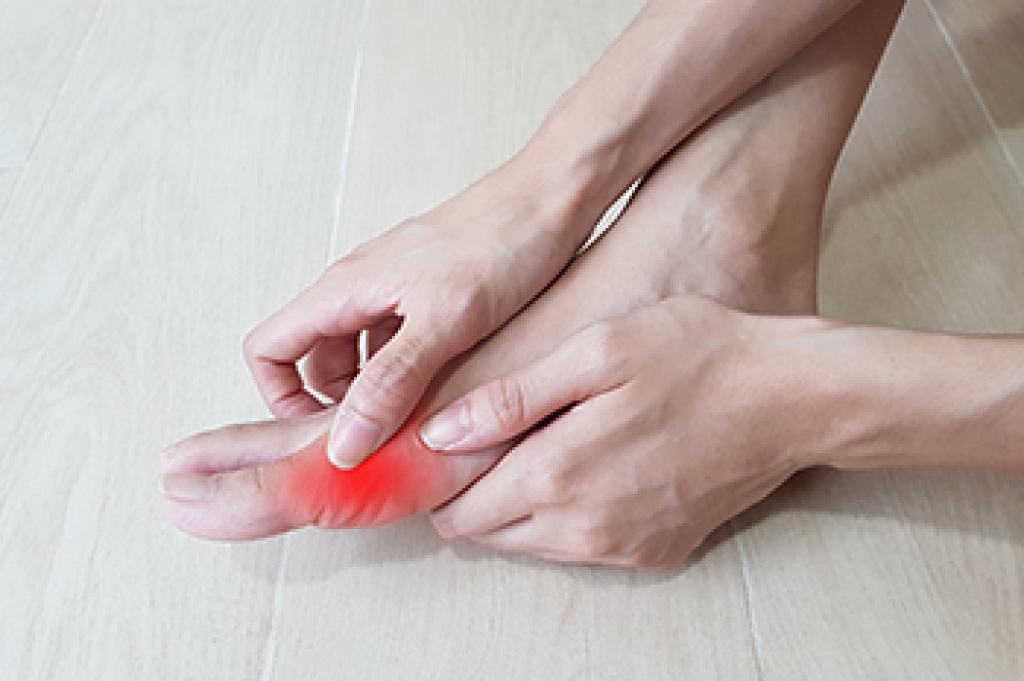
Gout is a form of arthritis that can cause sudden and intense joint pain. It develops when uric acid crystals collect in a joint and cause inflammation. Uric acid is a substance the body produces when it breaks down certain foods and drinks. Gout frequently affects the joint at the base of the big toe, although other joints can be involved. Symptoms include severe pain, redness, and swelling. The affected joint can also feel warm and extremely sensitive to touch. A gout attack can develop within a few hours and make standing or walking very uncomfortable.

High levels of uric acid in the blood increase the risk of gout, although not everyone with a high level develops the condition. Certain health problems can increase the risk, including kidney disease, high blood pressure, and obesity. Some medications can also contribute to gout. A podiatrist can examine a painful, swollen foot and review the patient's symptoms and medical history. Testing can include blood work or imaging tests to help evaluate the affected joint. In some cases, fluid can be removed from a swollen joint and examined for uric acid crystals. Proper diagnosis is important because an infection can cause similar joint symptoms.

Treatment for gout focuses on controlling inflammation and reducing the risk of future attacks.  Prescription medications can reduce pain and inflammation during an attack. Other medications can lower uric acid levels and help prevent repeated attacks. A podiatrist can also monitor the affected foot for joint damage and other complications. Repeated gout attacks can eventually damage joints and interfere with normal movement. Severe gout can also cause hard deposits of uric acid crystals beneath the skin. Proper medical management can help protect joint health and maintain comfortable movement. If you have symptoms of gout, it is suggested that you are under the care of a podiatrist who can help you to manage this serious condition. 

Gout is a foot condition that requires certain treatment and care. If you are seeking treatment, contact one of our podiatrists from Eastern Carolina Foot & Ankle Specialists. Our doctors will treat your foot and ankle needs.

What Is Gout?

Gout is a type of arthritis caused by a buildup of uric acid in the bloodstream. It often develops in the foot, especially the big toe area, although it can manifest in other parts of the body as well. Gout can make walking and standing very painful and is especially common in diabetics and the obese.

People typically get gout because of a poor diet. Genetic predisposition is also a factor. The children of parents who have had gout frequently have a chance of developing it themselves.

Gout can easily be identified by redness and inflammation of the big toe and the surrounding areas of the foot. Other symptoms include extreme fatigue, joint pain, and running high fevers. Sometimes corticosteroid drugs can be prescribed to treat gout, but the best way to combat this disease is to get more exercise and eat a better diet.

If you have any questions, please feel free to contact our office located in Greenville, NC . We offer the newest diagnostic and treatment technologies for all your foot care needs.

Read more about Everything You Need to Know About Gout
scroll to top