

Dr. Kenneth Rosenthal
Dr. Jonathan C. O’Quinn
Dr. Michael J. Price

(252) 830-1000

Greenville, North Carolina
follow us
like us
review us

Blog

Facts About a Broken Foot

A broken foot refers to a fracture in one or more of the bones of the foot. A fracture can result from high-impact activities, such as running, jumping, falls, or blunt-force injuries. Symptoms include swelling, pain, and bruising. Inability to bear weight on the foot and limited movement in the toes or ankle joints are other signs. Recovery commonly takes about six to eight weeks, depending on the severity of the fracture. Risk factors may include osteoporosis, sports participation, and accidents. Without proper care, healing may be delayed or complications may develop. A podiatrist can diagnose the injury with imaging, provide immobilization, and guide recovery to ensure proper healing. If you have broken your foot, it is suggested that you consult a podiatrist who can offer appropriate treatment solutions.

A broken foot requires immediate medical attention and treatment. If you need your feet checked, contact one of our podiatrists from Eastern Carolina Foot & Ankle Specialists. Our doctors can provide the care you need to keep you pain-free and on your feet.

Broken Foot Causes, Symptoms, and Treatment

A broken foot is caused by one of the bones in the foot typically breaking when bended, crushed, or stretched beyond its natural capabilities. Usually the location of the fracture indicates how the break occurred, whether it was through an object, fall, or any other type of injury. 

Common Symptoms of Broken Feet:

  • Bruising
  • Pain
  • Redness
  • Swelling
  • Blue in color
  • Numbness
  • Cold
  • Misshapen
  • Cuts
  • Deformities

Those that suspect they have a broken foot shoot seek urgent medical attention where a medical professional could diagnose the severity.

Treatment for broken bones varies depending on the cause, severity and location. Some will require the use of splints, casts or crutches while others could even involve surgery to repair the broken bones. Personal care includes the use of ice and keeping the foot stabilized and elevated.

If you have any questions, please feel free to contact our office located in Greenville, NC . We offer the newest diagnostic and treatment technologies for all your foot care needs.

Read more about Causes, Symptoms, and Treatment for a Broken Foot

Are Bunions Affecting Your Everyday Life?

Have you noticed a bony protrusion on the side of your big toe? If so, you may have developed the foot condition known as a bunion. Don't let bunions interfere with your daily activities.

Hammertoe and Toe Joint Imbalance

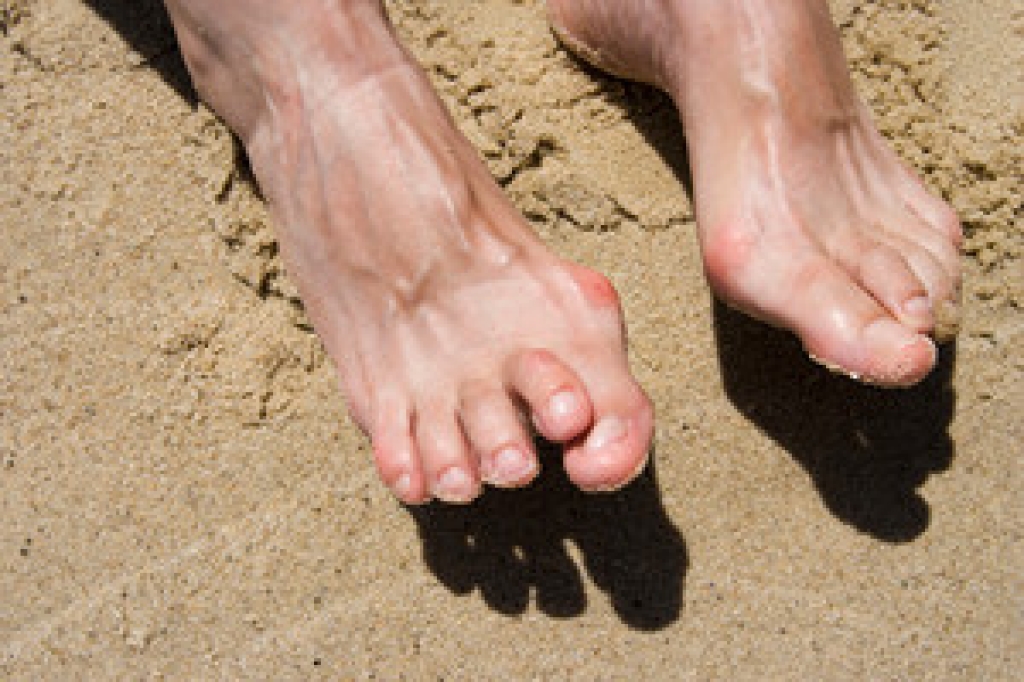
Hammertoe is a foot deformity where a toe bends at the middle joint, causing it to curl downward instead of lying flat. It usually affects the second toe, and happens when the muscles and tendons in the toe are not balanced. This can cause one part of the toe to bend upward while another part bends downward. Hammertoe is seen more often in women, often because of wearing tight or high-heeled shoes. Other causes include muscle imbalance and changes in foot structure. Risk factors include aging, family history, and wearing narrow shoes. Symptoms may include pain, corns, calluses, and trouble finding comfortable shoes. A podiatrist can check your toes, suggest treatments, and help relieve discomfort. If you notice changes in your toes, it is suggested you schedule a visit for care. 

Hammertoe

Hammertoes can be a painful condition to live with. For more information, contact one of our podiatrists from Eastern Carolina Foot & Ankle Specialists. Our doctors will answer any of your foot- and ankle-related questions.

Hammertoe is a foot deformity that affects the joints of the second, third, fourth, or fifth toes of your feet. It is a painful foot condition in which these toes curl and arch up, which can often lead to pain when wearing footwear.

Symptoms

  • Pain in the affected toes
  • Development of corns or calluses due to friction
  • Inflammation
  • Redness
  • Contracture of the toes

Causes

Genetics – People who are genetically predisposed to hammertoe are often more susceptible

Arthritis – Because arthritis affects the joints in your toes, further deformities stemming from arthritis can occur

Trauma – Direct trauma to the toes could potentially lead to hammertoe

Ill-fitting shoes – Undue pressure on the front of the toes from ill-fitting shoes can potentially lead to the development of hammertoe

Treatment

Orthotics – Custom made inserts can be used to help relieve pressure placed on the toes and therefore relieve some of the pain associated with it

Medications – Oral medications such as anti-inflammatories or NSAIDs could be used to treat the pain and inflammation hammertoes causes. Injections of corticosteroids are also sometimes used

Surgery – In more severe cases where the hammertoes have become more rigid, foot surgery is a potential option

If you have any questions, please feel free to contact our office located in Greenville, NC . We offer the newest diagnostic and treatment technologies for all your foot care needs.

Read more about What Are Hammertoes?
Connect with us
goog ico
hg ico big