Dr. Kenneth Rosenthal
Dr. Jonathan C. O’Quinn
Dr. Michael J. Price

(252) 830-1000

Greenville, North Carolina
follow us
like us
review us

Blog

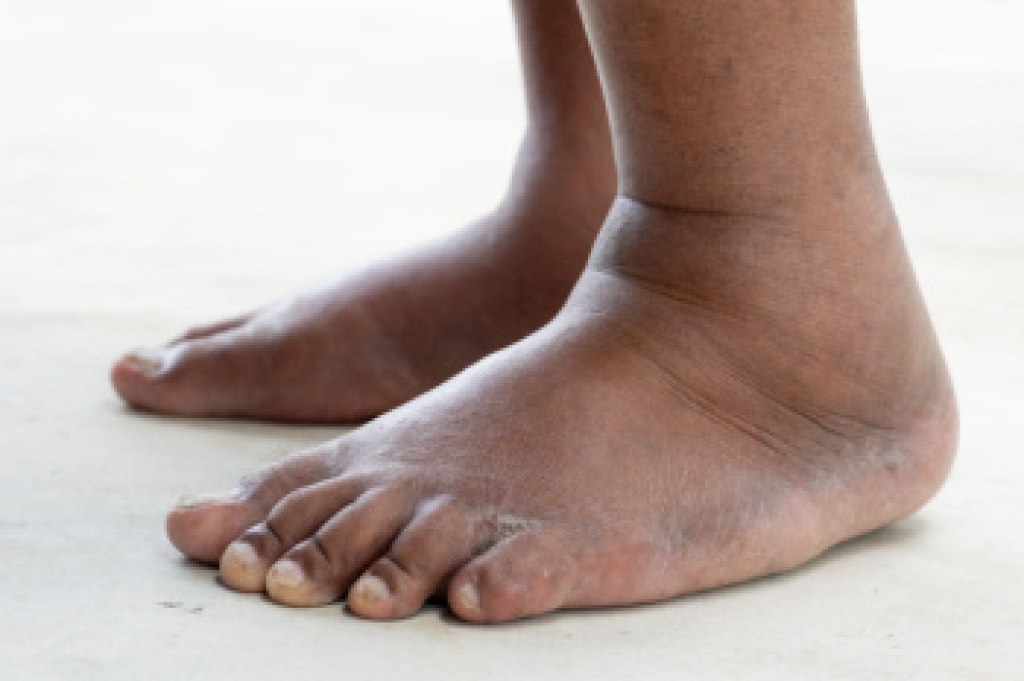
Causes of Swollen Feet and Ankles

Swollen feet and ankles can develop from several underlying causes. Cardiovascular conditions may affect circulation and lead to fluid buildup, while hormonal changes can increase fluid retention in the body. Certain medications and infections may also trigger swelling and discomfort. Symptoms include puffiness, tight skin, and reduced mobility. Risk factors include prolonged standing, limited movement, excess weight, and aging. Edema may signal a deeper issue that requires attention. A podiatrist can evaluate the cause, recommend treatment, and improve comfort. If you have swollen feet or ankles, it is suggested that you consult a podiatrist who can determine the reason why and offer effective treatment solutions.

Swollen feet can be a sign of an underlying condition. If you have any concerns, contact one of our podiatrists of Eastern Carolina Foot & Ankle Specialists. Our doctors can provide the care you need to keep you pain-free and on your feet.

Swollen feet are a common ailment among pregnant women and people who stand or sit for extended periods. Aging may increase the possibility of swollen feet and patients who are obese often notice when their feet are swelling too. There may be medical reasons why swollen feet occur:

  • Phlebitis - A condition that causes the veins to become inflamed and can also cause leg pain.
  • Liver disease - This may lead to low blood levels of albumin which is a protein. This can cause fluid in the blood to pass into the tissues and several areas of the body can become swollen.
  • Heart failure - When the heart doesn’t pump properly the blood that is normally pumped back to the heart can pool in the veins of the legs causing swollen feet.
  • Kidney disease - One of the main functions of the kidneys is releasing excess fluid in the body. This type of condition can make it difficult for the kidneys to function properly, and as a result the feet may become swollen.
  • Deep-vein thrombosis (DVT)- This is a serious condition where blood clots form in the veins of the legs. They can block the return of blood from the legs to the heart which may cause the feet to swell. It is important to be treated by a podiatrist if this condition is present.

Swollen feet can also be caused by bone and tendon conditions, including fractures, arthritis, and tendinitis. Additionally, there may be skin and toenail conditions and an infection may cause the feet to swell. Patients who take medicine to treat high blood pressure may be prone to getting swollen feet. 

Many patients elevate their feet to help relieve the swelling and this is generally a temporary remedy. When a podiatrist is consulted the reason behind the swelling can be uncovered and subsequently treated.

If you have any questions please contact our office located in Greenville, NC . We offer the newest diagnostic and treatment technologies for all your foot and ankle needs.


Read more about Swelling of the Feet

Causes of Ankle Pain

Ankle pain can occur when the bones, ligaments, tendons, or joints in the ankle become injured or irritated. The ankle joint connects the leg to the foot. It forms where the shin bone, calf bone, and a bone in the foot meet and move together. This type of joint allows the foot to bend up and down when walking, running, or standing. Strong bands of tissue called ligaments help hold the bones together and keep the joint stable. Tendons, which connect muscles to bones, also help control movement. When these tissues are stretched, torn, inflamed, or damaged, ankle pain can develop. One of the most common causes is an ankle sprain, which happens when the ligaments stretch too far or tear. Other causes include broken bones, arthritis that causes joint pain and stiffness, and tendinitis, which is irritation of a tendon. A podiatrist can identify the cause of ankle pain and provide appropriate treatment. If you are experiencing ankle pain, it is suggested that you make an appointment with a podiatrist for an exam, diagnosis, and treatment.

Ankle pain can be caused by a number of problems and may be potentially serious. If you have ankle pain, consult with one of our podiatrists from Eastern Carolina Foot & Ankle Specialists. Our doctors will assess your condition and provide you with quality foot and ankle treatment.

Ankle pain is any condition that causes pain in the ankle. Due to the fact that the ankle consists of tendons, muscles, bones, and ligaments, ankle pain can come from a number of different conditions.

Causes

The most common causes of ankle pain include:

  • Types of arthritis (rheumatoid, osteoarthritis, and gout)
  • Ankle sprains
  • Broken ankles
  • Achilles tendonitis
  • Achilles tendon rupture
  • Stress fractures
  • Bursitis
  • Tarsal tunnel syndrome
  • Plantar fasciitis

Symptoms

Symptoms of ankle injury vary based upon the condition. Pain may include general pain and discomfort, swelling, aching, redness, bruising, burning or stabbing sensations, and/or loss of sensation.

Diagnosis

Due to the wide variety of potential causes of ankle pain, podiatrists will utilize a number of different methods to properly diagnose ankle pain. This can include asking for personal and family medical histories and of any recent injuries. Further diagnosis may include sensation tests, a physical examination, and potentially x-rays or other imaging tests.

Treatment

Just as the range of causes varies widely, so do treatments. Some more common treatments are rest, ice packs, keeping pressure off the foot, orthotics and braces, medication for inflammation and pain, and surgery.

If you have any questions please feel free to contact our office located in Greenville, NC . We offer the newest diagnostic tools and technology to treat your foot and ankle needs.

Read more about Ankle Pain

Symptoms and Stages of Gout

Gout is a form of inflammatory arthritis that often affects the big toe. It develops when there is too much uric acid in the blood. Uric acid is a waste product that can form sharp crystals inside a joint. These crystals irritate the joint lining and cause sudden pain. Many attacks begin at night and may feel like a broken bone or severe burn. The joint can become red, swollen, warm, and extremely tender to touch. There are three stages of gout. In the first stage, called silent high uric acid, crystals form without symptoms. The second stage involves sudden attacks that come and go. The final stage can lead to hard lumps forming under the skin and joint damage if not treated. A podiatrist can diagnose gout with an exam and testing, and provide care to reduce pain and prevent joint damage. If you have symptoms of gout, it is suggested that you make an appointment with a podiatrist for an exam, diagnosis, and treatment.

Gout is a painful condition that can be treated. If you are seeking treatment, contact one of our podiatrists from Eastern Carolina Foot & Ankle Specialists. Our doctors will treat your foot and ankle needs.

What Is Gout?

Gout is a form of arthritis that is characterized by sudden, severe attacks of pain, redness, and tenderness in the joints. The condition usually affects the joint at the base of the big toe. A gout attack can occur at any random time, such as the middle of the night while you are asleep.

Symptoms

  • Intense Joint Pain - Usually around the large joint of your big toe, and it most severe within the first four to twelve hours
  • Lingering Discomfort - Joint discomfort may last from a few days to a few weeks
  • Inflammation and Redness -Affected joints may become swollen, tender, warm and red
  • Limited Range of Motion - May experience a decrease in joint mobility

Risk Factors

  • Genetics - If family members have gout, you’re more likely to have it
  • Medications - Diuretic medications can raise uric acid levels
  • Gender/Age - Gout is more common in men until the age of 60. It is believed that estrogen protects women until that point
  • Diet - Eating red meat and shellfish increases your risk
  • Alcohol - Having more than two alcoholic drinks per day increases your risk
  • Obesity - Obese people are at a higher risk for gout

Prior to visiting your podiatrist to receive treatment for gout, there are a few things you should do beforehand. If you have gout you should write down your symptoms--including when they started and how often you experience them, important medical information you may have, and any questions you may have. Writing down these three things will help your podiatrist in assessing your specific situation so that he or she may provide the best route of treatment for you.

If you have any questions, please feel free to contact our office located in Greenville, NC . We offer the newest diagnostic and treatment technologies for all your foot care needs.

Read more about Gout

Why Live with Pain and Numbness in Your Feet?

Suffering from this type of pain? You may have the foot condition known as Morton's neuroma. Morton's neuroma may develop as a result of ill-fitting footwear and existing foot deformities. We can help.

When Diabetes Reduces Blood Flow to the Feet

Diabetes can have a significant impact on blood flow to the legs and feet. Over time, elevated blood sugar levels damage blood vessels, causing them to narrow and stiffen. This reduces circulation to the lower extremities, and limits the delivery of oxygen and nutrients needed for healthy tissue. Poor blood flow slows wound healing and makes the feet more vulnerable to ulcers and infection, even from minor injuries. People may notice cold feet, skin color changes, hair loss on the legs, or pain when walking that improves with rest. Because circulation problems often develop gradually, they may go unnoticed until complications appear. Ongoing circulation changes increase the risk of serious outcomes that affect mobility and independence. Routine foot checks and early attention to symptoms are important. If you have diabetes and notice changes in your feet, it is suggested you see a podiatrist for evaluation and appropriate care.

Poor circulation is a serious condition and needs immediate medical attention. If you have any concerns with poor circulation in your feet contact one of our podiatrists of Eastern Carolina Foot & Ankle Specialists. Our doctors will treat your foot and ankle needs.

Poor Circulation in the Feet

Poor blood circulation in the feet and legs is can be caused by peripheral artery disease (PAD), which is the result of a buildup of plaque in the arteries.

Plaque buildup or atherosclerosis results from excess calcium and cholesterol in the bloodstream. This can restrict the amount of blood which can flow through the arteries. Poor blood circulation in the feet and legs are sometimes caused by inflammation in the blood vessels, known as vasculitis.

Causes

Lack of oxygen and oxygen from poor blood circulation restricts muscle growth and development. It can also cause:

  • Muscle pain, stiffness, or weakness 
  • Numbness or cramping in the legs
  • Skin discoloration
  • Slower nail & hair growth
  • Erectile dysfunction

Those who have diabetes or smoke are at greatest risk for poor circulation, as are those who are over 50. If you have poor circulation in the feet and legs it may be caused by PAD and is important to make changes to your lifestyle in order to reduce risk of getting a heart attack or stroke. Exercise and maintaining a healthy lifestyle will dramatically improve conditions.

As always, see a podiatrist as he or she will assist in finding a regimen that suits you. A podiatrist can also prescribe you any needed medication. 

If you have any questions, please feel free to contact our office located in Greenville, NC . We offer the newest diagnostic and treatment technologies for all your foot care needs.

Read more about Causes Symptoms and Treatment for Poor Circulation in the Feet
Connect with us
goog ico
hg ico big