
Dr. Kenneth Rosenthal
Dr. Jonathan C. O’Quinn
Dr. Michael J. Price
Dr. Kenneth Rosenthal
Dr. Jonathan C. O’Quinn
Dr. Michael J. Price
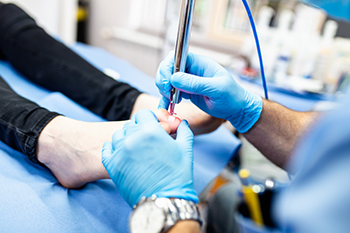
Toenail fungus, medically known as onychomycosis, is a condition that affects countless individuals, causing nails to become discolored, brittle, and thickened. Traditional treatment methods, such as oral medications or topical ointments, often yield mixed results and can take months to show improvement. This is where laser therapy, a relatively new approach, comes into play. Laser therapy for toenail fungus, also referred to as laser mycotic nail treatment, involves the use of a concentrated beam of light to target and destroy the fungal organisms that are infecting the nail. The laser's energy penetrates the nail, without causing harm to the surrounding tissue, to eliminate the fungus at its source. This innovative approach boasts several advantages, including minimal discomfort, no need for anesthesia, and typically shorter treatment times compared with traditional methods. However, it is important to note that laser therapy is not a guaranteed cure and may require multiple sessions for the best results. While promising, its effectiveness varies from person to person. If you have toenail fungus, it is suggested that you visit a podiatrist who can determine if laser therapy is correct for you.
Laser treatment can be an effective way to get rid of toenail fungus. If you have any questions about laser treatment, consult with one of our podiatrists from Eastern Carolina Foot & Ankle Specialists. Our doctors will assess your condition and provide you with quality treatment for fungal nails.
What Are Toenail Fungal Infections?
Onychomycosis, or fungal infection of the nail, is a relatively common and non-serious condition. Around 10 percent of U.S. citizens are afflicted with fungal nails. Common forms of fungus that infect the nail include dermatophytes, yeasts, and molds.
Symptoms of Toenail Fungal Infections Include:
Diagnosis for Fungal Nails
Fungal infections are diagnosed by fungal culture and microscopy. This will rule out any other conditions such as nail trauma, psoriasis, lichen planus, and onychogryphosis.
What Is Laser Treatment?
Laser treatment is a non-invasive, safe, quick, and painless procedure that uses the heat from a laser to kill fungus in the nail. Each infected nail is targeted with a laser for several minutes. The treatment is usually utilized several different times over a select period. During this time, a podiatrist will keep an eye on the infection.
If you have any questions, please feel free to contact our office located in Greenville, NC . We offer the newest diagnostic and treatment technologies for all your foot care needs.
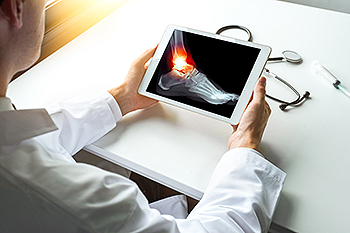
A broken ankle occurs when one of more of the three bones that make up the ankle joint is injured. This includes the tibia and fibula, which are calf bones and the talus, which is a web-shaped bone inside the joint. Following are common causes of a broken ankle. Car accidents can often be the source of crushing injuries that can result in an ankle fracture. Also, if you jump from a height and land on your feet, it can result in ankle bone injuries. When a heavy weight falls on your foot, it can break your ankle. Sometimes, when you miss a step while climbing up the stairs or walking down, you can break your ankle. The weight-bearing bones in your feet and ankles are prone to stress. Strong, repetitive forces or overuse, like running for long distances, can result in tiny cracks in them. Stress fractures and bone thinning conditions, such as osteoporosis, can also result in ankle bone injuries. Falling on slippery and wet surfaces, tripping, or stepping into a hole can cause ankle fractures and injuries. When you place the foot down in a wrong manner, twist the ankle, or apply excess pressure on your foot, you can break your ankle. If you believe that you have broken a bone in your ankle, it is strongly suggested that you seek immediate medical attention from a podiatrist.
Broken ankles need immediate treatment. If you are seeking treatment, contact one of our podiatrists from Eastern Carolina Foot & Ankle Specialists. Our doctors can provide the care you need to keep you pain-free and on your feet.
Broken Ankles
A broken ankle is experienced when a person fractures their tibia or fibula in the lower leg and ankle area. Both of these bones are attached at the bottom of the leg and combine to form what we know to be our ankle.
When a physician is referring to a break of the ankle, he or she is usually referring to a break in the area where the tibia and fibula are joined to create our ankle joint. Ankles are more prone to fractures because the ankle is an area that suffers a lot of pressure and stress. There are some obvious signs when a person experiences a fractured ankle, and the following symptoms may be present.
Symptoms of a Fractured Ankle
If you suspect an ankle fracture, it is recommended to seek treatment as soon as possible. The sooner you have your podiatrist diagnose the fracture, the quicker you’ll be on the way towards recovery.
If you have any questions, please feel free to contact our office located in Greenville, NC . We offer the newest diagnostic and treatment technologies for all your foot care needs.
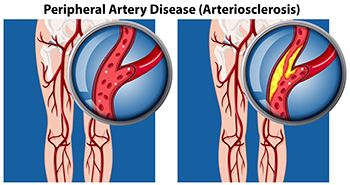
Peripheral artery disease, or PAD, is a common circulatory condition characterized by narrowed arteries in the limbs, primarily the legs, due to the buildup of plaque. While PAD can affect anyone, certain risk factors increase its likelihood. Age is a significant factor, as the risk of PAD increases with advancing years. Smoking, a well-known risk factor, significantly accelerates the development of PAD. Diabetes, high blood pressure, and high cholesterol levels also contribute to arterial narrowing, making individuals with these conditions more susceptible. A family history of vascular disease may indicate a genetic predisposition. Lifestyle choices, such as a sedentary lifestyle and a diet high in saturated fats, can exacerbate PAD risk factors. Understanding these risk factors is crucial because PAD can lead to serious complications such as reduced mobility and non-healing ulcers, in addition to an increased risk of heart attack and stroke. Early detection and management, through lifestyle modifications and medical interventions, can help mitigate these risks and improve overall vascular health. If you suspect you may have PAD or have multiple risk factors, it is suggested that you consult a podiatrist for evaluation and guidance.
Peripheral artery disease can pose a serious risk to your health. It can increase the risk of stroke and heart attack. If you have symptoms of peripheral artery disease, consult with one of our podiatrists from Eastern Carolina Foot & Ankle Specialists. Our doctors will assess your condition and provide you with quality foot and ankle treatment.
Peripheral artery disease (PAD) is when arteries are constricted due to plaque (fatty deposits) build-up. This results in less blood flow to the legs and other extremities. The main cause of PAD is atherosclerosis, in which plaque builds up in the arteries.
Symptoms
Symptoms of PAD include:
It is important to note that a majority of individuals never show any symptoms of PAD.
Diagnosis
While PAD occurs in the legs and arteries, Podiatrists can diagnose PAD. Podiatrists utilize a test called an ankle-brachial index (ABI). An ABI test compares blood pressure in your arm to you ankle to see if any abnormality occurs. Ultrasound and imaging devices may also be used.
Treatment
Fortunately, lifestyle changes such as maintaining a healthy diet, exercising, managing cholesterol and blood sugar levels, and quitting smoking, can all treat PAD. Medications that prevent clots from occurring can be prescribed. Finally, in some cases, surgery may be recommended.
If you have any questions, please feel free to contact our office located in Greenville, NC . We offer the newest diagnostic and treatment technologies for all your foot care needs.
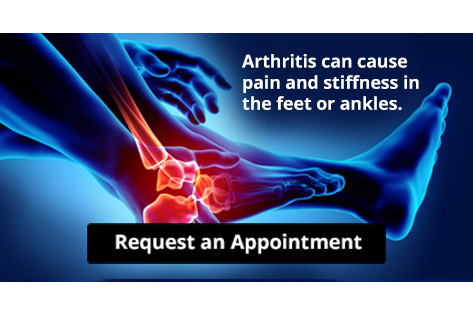
If you are suffering from tenderness, pain, or stiffness in the joints of your feet or ankles, call us to schedule an appointment.
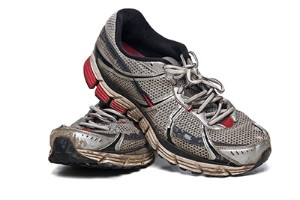
Runners know the importance of a good pair of shoes that help to clock in the miles comfortably and safely. But like any other piece of equipment, running shoes have a lifespan. If you are wondering whether it is time to bid farewell to your old shoes, here are some signs to look out for. First, pay attention to the wear and tear on the soles. If the treads are worn down, especially in specific areas, this can lead to reduced traction and increased risk of slipping or injury. Second, listen to your body. If you are experiencing unexplained pain in your feet, ankles, or knees, worn-out shoes could be the cause. They may no longer provide the necessary support and cushioning, which causes stress on your joints. Running shoes typically have a life span of 300 to 500 miles, depending on various factors. If you have surpassed this range, it is time to shop for a new pair. If you need guidance in the life span and safety of your running shoes, it is suggested that you make an appointment with a podiatrist for an evaluation.
All runners should take extra precaution when trying to avoid injury. If you have any concerns about your feet, contact one of our podiatrists of Eastern Carolina Foot & Ankle Specialists. Our doctors will treat your foot and ankle needs.
How to Prevent Running Injuries
There are a lot of mistakes a runner can make prior to a workout that can induce injury. A lot of athletes tend to overstretch before running, instead of saving those workouts for a post-run routine. Deep lunges and hand-to-toe hamstring pulls should be performed after a workout instead of during a warmup. Another common mistake is jumping into an intense routine before your body is physically prepared for it. You should try to ease your way into long-distance running instead of forcing yourself to rush into it.
More Tips for Preventing Injury
If you have any questions, please feel free to contact our office located in Greenville, NC . We offer the newest diagnostic and treatment technologies for all your foot care needs.
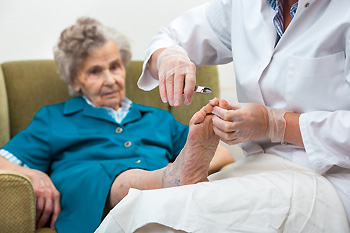
Properly caring for aging feet is crucial for maintaining a senior's health. Wearing properly fitted shoes, washing and moisturizing the feet daily, and conducting regular foot checks are all essential practices. Trimming the nails is also important, as well as seeking assistance from caregivers, family members, or other professionals for help if needed. Minimizing foot injuries is vital to prevent further issues. Participating in regular exercise will also keep the feet in good condition. Embracing nutritious diets promotes overall health. Resting the feet and avoiding high heels can further safeguard them. Special care is needed for seniors with diabetes to prevent complications. If you are a senior or you take care of one, it is suggested that you make an appointment with a podiatrist to obtain daily professional care.
If you need your feet checked, contact one of our podiatrists of Eastern Carolina Foot & Ankle Specialists. Our doctors will attend to all of your foot and ankle needs and provide you with quality treatment.
Geriatrics and Podiatry
When people age, some common issues that may occur are bone density loss, dry skin, poor circulation, and rough brittle nails. These issues may also affect your foot health if the necessary steps are not taken to alleviate the problems.
It is important to take care of your feet because feet that are injured or diseased can affect your overall health. Having painful feet hinders your ability to do daily activities or may decrease your willingness to do the things that you need to do.
Visiting Your Geriatrician
As we age, health problems become more likely, so it is essential to visit your doctor for check-ups to ensure that you are doing the best you can to take care of your health. It is recommended to check your feet frequently for any possible cuts, bruises, swelling, corns or any other irregularities.
Taking Care of Elderly Feet
Cracked or dry feet can be treated by applying moisturizer often. It is also important not to wear old socks because the older the sock is, the higher the possibility there will be that there is bacteria there. Wear fresh socks and make sure they fit properly.
Proper foot health means that you can have a more active lifestyle and you will not be bogged down by pain. Foot health also leads to good circulation, which is paramount for overall health.
If you have any questions, please feel free to contact our office located in Greenville, NC . We offer the newest diagnostic tools and technology to treat your foot and ankle needs.





 Eastern Carolina Foot and Ankle - Default